 Out of Office Hours
 Glasgow 0141 270 7878


The latest property news & information from a trusted source.
Explore our property blogs, select a category from below
Lithium Battery Safety in Rental Properties. What Tenants and Students Need to Know
Lithium batteries are now part of everyday life.
Phones, laptops, e-bikes, vapes, portable chargers. Most tenants will have several in their home without thinking twice about it. The issue is, when something goes wrong, it tends to go wrong quickly.
Recent incidents, including the fire at Glasgow Central Station, have brought the risks into sharper focus. For tenants, particularly those living in shared flats or HMOs, it’s worth understanding how to use and handle these batteries properly.
This isn’t about avoiding them. It’s about using them safely.
Why lithium batteries can be a risk
Lithium batteries store a lot of energy in a small space. When they’re damaged, overcharged, or used incorrectly, that energy can be released suddenly.
That’s when fires can start.
In shared properties, the risk is amplified slightly. More devices, more chargers, and more people using them in different ways.
Vapes & Lithium battery safety
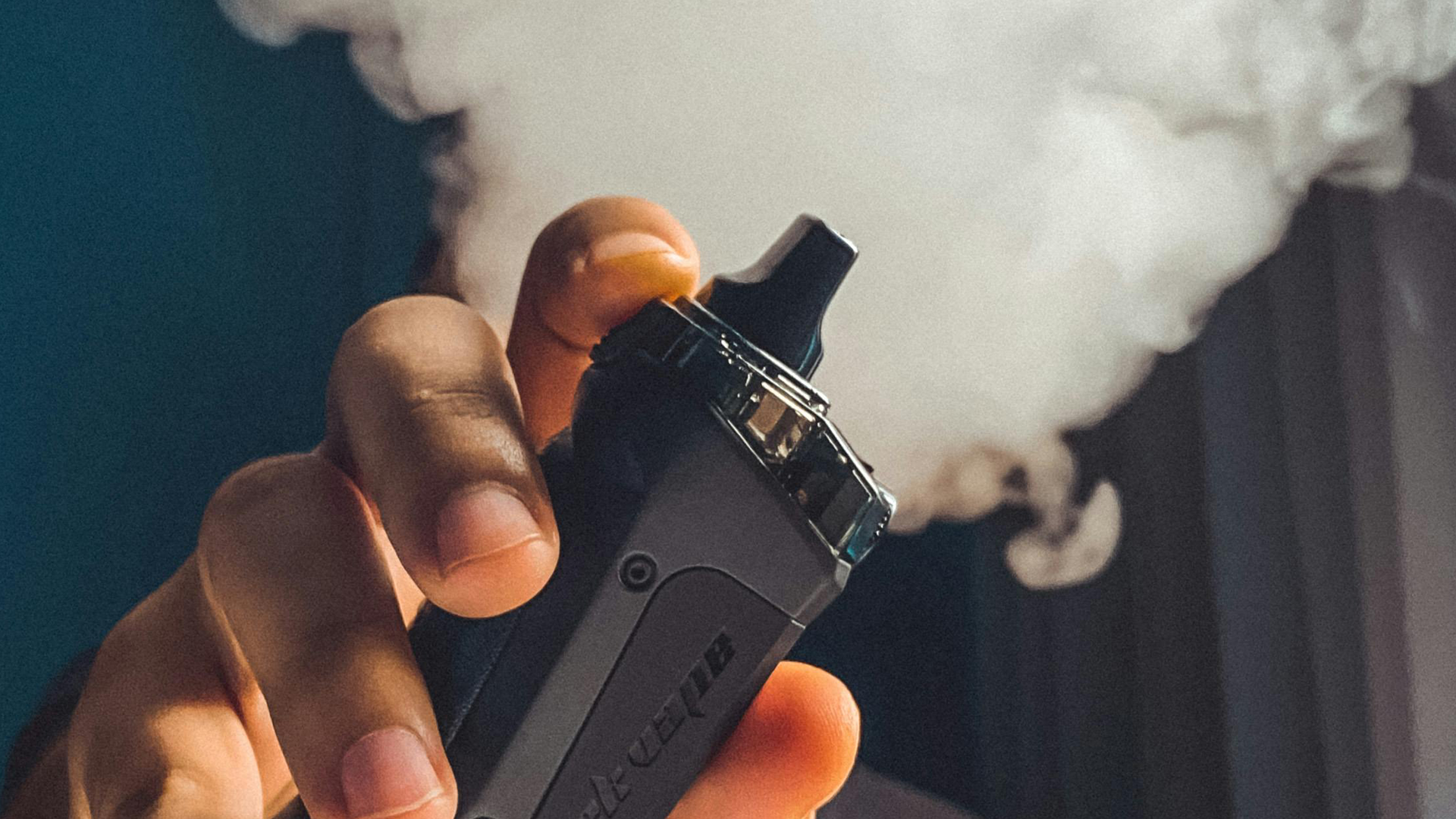
Vapes are one of the most common sources of lithium batteries in rental properties, particularly in student lets and HMOs. While they’re small, they still carry the same risks as larger devices if damaged or used incorrectly. Issues tend to arise when the wrong chargers are used, devices are overcharged, or lower-quality or counterfeit vapes are brought into the property. It’s important to use the manufacturer’s charger, avoid leaving vapes charging unattended, and stop using any device that becomes hot, swollen, or damaged. Disposable vapes should never be thrown in general waste, as they still contain lithium batteries and can cause fires in bins or refuse areas. Taking a bit of care with how vapes are charged, stored, and disposed of helps reduce risk not just for the individual, but for everyone in the property.
Charging habits matter more than people realise
Most issues start during charging.
Leaving devices plugged in overnight, using the wrong charger, or charging on soft surfaces like beds or sofas can increase the risk of overheating.
A safer approach is simple:
- use the correct charger for the device
- charge on a hard, flat surface
- avoid leaving devices charging unattended for long periods
It’s not complicated, but it does make a difference.
E-bikes and larger batteries need extra care
E-bikes and scooters are becoming more common, especially with students and city-based tenants.
Their batteries are larger and carry more energy, which means:
- they should never be charged in escape routes like hallways
- they should be kept away from doors and exits
- they should only be charged using manufacturer-approved equipment
If something goes wrong, access in and out of the property needs to remain clear.
Storage should be considered, not convenient
It’s easy to leave devices wherever there’s space, but where batteries are kept matters.
Avoid:
- placing batteries near heat sources
- storing damaged or swollen batteries
- keeping them in cluttered areas where they can’t be seen
A clear, ventilated space is always better than somewhere tucked away.
Disposal is where problems often happen
One of the most overlooked risks is how batteries are disposed of.
Lithium batteries should never be:
- put in general household waste
- damaged before disposal
- left loose in bins
Instead, they should be taken to designated recycling points. Most supermarkets and local recycling centres accept them.
Incorrect disposal can lead to fires in bin stores or refuse vehicles, which is becoming more common.
Shared responsibility in HMOs
In HMOs, safety isn’t just individual.
One person’s habits can affect the whole property.
Being aware of how devices are used, where they’re charged, and how batteries are handled helps reduce risk for everyone living there.
It’s about being mindful, not restrictive.
Lithium batteries aren’t going anywhere, but the way they’re used makes all the difference.
If you’re unsure about safety within your property, Cairn can provide guidance to help tenants and landlords keep things safe and straightforward.


